Diseases
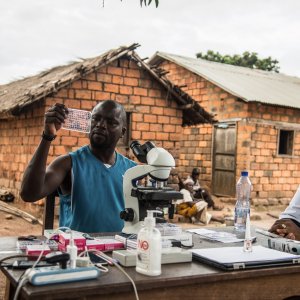
Helminth infections are among the most widespread neglected tropical diseases worldwide. Two major groups of parasitic worm infections are filariasis and soil-transmitted helminth (STH) infections, together affecting hundreds of millions of people, primarily in tropical and subtropical regions with limited access to adequate sanitation, hygiene, and healthcare.
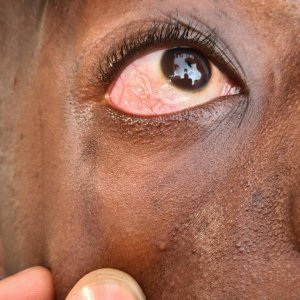
Filariasis is caused by microscopic filarial nematodes and includes diseases such as onchocerciasis (river blindness), loiasis, and mansonellosis. These infections are transmitted through the bites of infected female insects, including mosquitoes, blackflies, and deerflies. Once inside the human body, the larvae mature into adult worms that reside in lymphatic vessels, skin, or connective tissues. Clinical manifestations range from mild symptoms such as itching or swelling to severe and disabling conditions, including lymphoedema (elephantiasis) and blindness.
In contrast, STH infections are intestinal worm infections caused primarily by Ascaris lumbricoides, Trichuris trichiura, and hookworms. Transmission occurs through contact with soil contaminated with parasite eggs or larvae, either by ingesting contaminated food or water or, in the case of hookworms, through skin penetration. These infections are often chronic and can lead to abdominal pain, anaemia, malnutrition, impaired growth, and reduced cognitive development, particularly in children.
Current control strategies for both disease groups rely largely on preventive chemotherapy using a limited number of antiparasitic medicines distributed through mass drug administration programmes. While these approaches have contributed significantly to disease control, important limitations remain, including incomplete efficacy, limited impact on adult worms in some filarial infections, and concerns about emerging drug resistance. These challenges underline the urgent need for improved and innovative therapeutic solutions.